
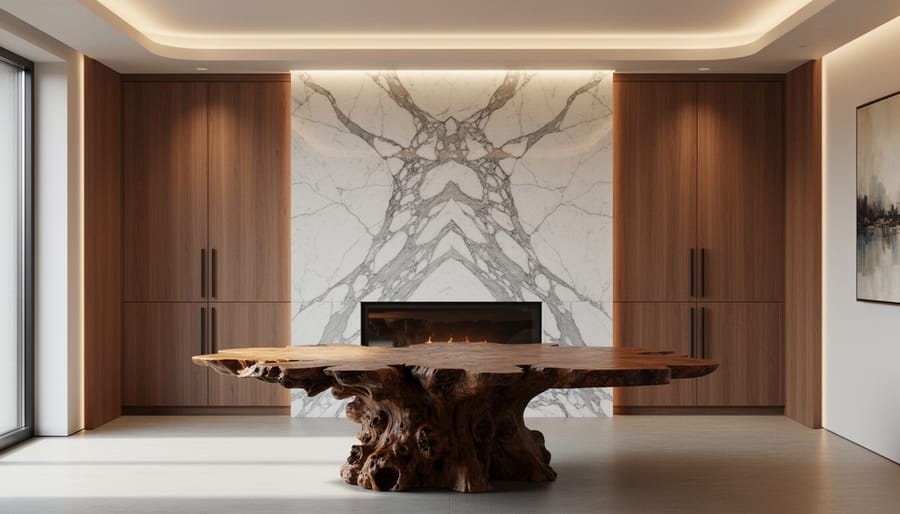
The most luxurious interior design in 2026 embodies a deliberate fusion of bespoke craftsmanship, museum-quality materials, and deeply personalized spatial narratives that reflect the inhabitant’s journey rather than following prescribed aesthetic formulas. True opulence reveals itself through hand-selected Calacatta marble with book-matched veining, custom millwork crafted by third-generation artisans, lighting installations commissioned from renowned sculptors, and furniture pieces that blur the boundary between functional object and collectible art.
What separates genuinely luxurious interiors from merely expensive ones is the presence of irreplicable elements. A contemporary luxury space doesn’t announce wealth through obvious logos or trend-driven excess. Instead, it whispers sophistication through the perfect grain match in a wall of zebrawood paneling, the subtle glow of hand-applied Venetian plaster that changes with natural light, or a singular dining table carved from a 300-year-old walnut burl.
The homes that define luxury today share a common thread: they’re conceived as intimate collaborations between visionary designers and clients willing to invest time alongside capital. These spaces honor heritage craft techniques while embracing technological innovation where it serves beauty and comfort. From private galleries illuminated by programmable LED systems disguised within ornamental moldings to wine cellars with climate control concealed behind reclaimed French limestone, each detail serves both practical purpose and aesthetic delight.
This exploration identifies the essential elements that compose the most luxurious interiors, offering both inspiration and clarity for those ready to transform aspiration into reality.
How We Identified These Luxurious Design Elements
Our selection of the most luxurious interior design elements comes from a decade of working alongside the world’s leading independent furniture designers and watching how sophisticated homeowners actually shop luxury furniture. We’ve analyzed thousands of exclusive collections, identified recurring themes in high-end residential projects across continents, and tracked how luxury design has evolved from conspicuous consumption toward something far more nuanced.
Each element featured here meets three criteria: it demonstrates exceptional craftsmanship that justifies investment, it creates lasting emotional resonance rather than fleeting trend appeal, and it can be adapted across different design aesthetics. Through our relationships with master artisans and access to exclusive pieces not available through conventional retail channels, we’ve watched these elements transform ordinary rooms into extraordinary environments that feel both timeless and unmistakably contemporary.
1. Bespoke Architectural Millwork That Tells Your Story
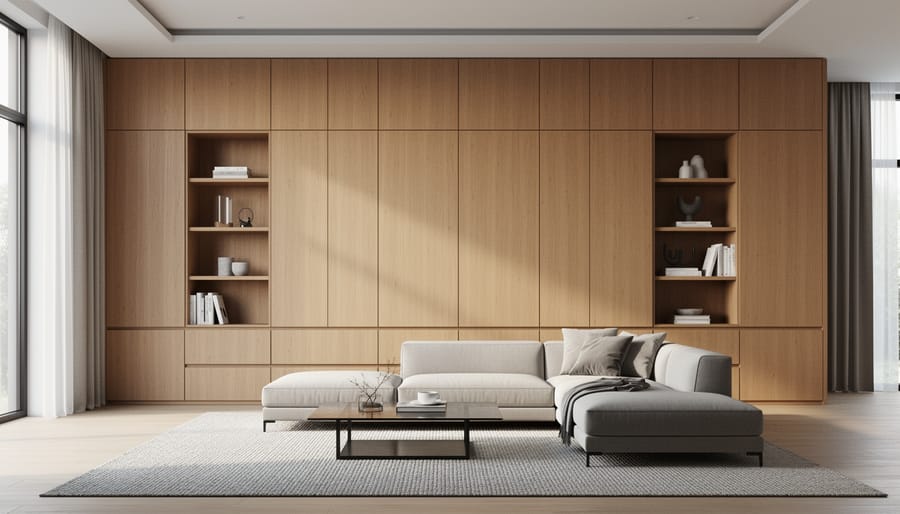
Custom millwork represents the pinnacle of luxury interior design because it transforms standard architectural elements into bespoke statements that reflect your unique vision. Unlike mass-produced cabinetry or generic wall treatments, architectural millwork is conceived specifically for your space, creating seamless transitions between walls, ceilings, and furnishings that feel both intentional and effortless.
The transformative power lies in the details. Imagine floor-to-ceiling walnut paneling with hand-carved relief patterns that echo the grain of your dining table, or built-in shelving units with hidden LED strips that illuminate rare wood grain like a gallery installation. These aren’t merely functional storage solutions; they’re architectural gestures that establish the character of your entire home.
What distinguishes truly luxurious millwork is the relationship between craftsmanship and personalization. Master woodworkers collaborate with you to understand how you live in your space, then translate that understanding into functional art. A reading nook might feature curved oak panels that wrap protectively around your favorite chair, while a media room could incorporate motorized panels that reveal and conceal technology without disrupting the aesthetic flow.
The materials themselves tell stories. Quarter-sawn white oak with its distinctive ray fleck patterns, richly figured mahogany, or sustainably harvested teak each bring distinct visual warmth and texture. When these materials are shaped by artisan hands and integrated thoughtfully with your furniture selections, they create cohesive environments that feel collected over time rather than decorated in a moment.
2. Statement Lighting as Sculptural Art
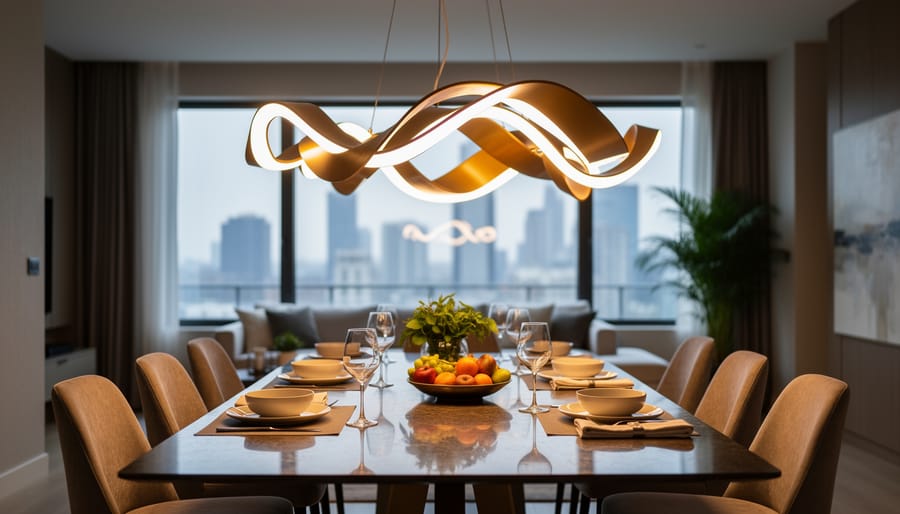
In spaces that define luxury, lighting has evolved far beyond mere illumination to become the room’s protagonist. A sculptural chandelier suspended over a dining table or an art-glass pendant anchoring a foyer commands attention the moment someone enters, setting the tone for everything that follows.
The most compelling statement fixtures blend technical mastery with artistic vision. Hand-blown Murano glass cascading in organic forms, blackened steel forged into geometric compositions, or cast bronze worked into flowing botanical shapes, these pieces emerge from collaborations between lighting designers and master craftspeople who understand how light refracts, diffuses, and dances across surfaces. The interplay between the fixture itself and the shadows it casts creates layered visual drama that shifts throughout the day.
What distinguishes luxury lighting is its ability to anchor a room’s entire design narrative. A single extraordinary pendant can justify a double-height ceiling, while a custom chandelier might inspire the palette and proportions of surrounding furnishings. These aren’t afterthoughts selected to match existing decor; they’re foundational decisions around which spaces take shape.
The finest installations also demonstrate restraint in placement. Rather than scattering decorative fixtures throughout, sophisticated spaces typically feature one or two show-stopping pieces that earn their dramatic presence through genuine artistry and impeccable scale. This focused approach allows each sculptural light to truly shine as the functional artwork it was crafted to be.
3. Hand-Selected Natural Stone and Rare Marble Surfaces
Natural stone has reclaimed its position as the ultimate expression of luxury in 2026, but today’s approach goes far beyond standard marble countertops. We’re witnessing a renaissance of extraordinary stone materials that transform functional surfaces into works of geological art.
The difference lies in provenance and presentation. Exotic varieties like Calacatta Viola, with its dramatic purple veining, or the rare blue-toned Azul Macaubas create instant focal points that no manufactured material can replicate. Each slab tells a story millions of years in the making, and discerning homeowners recognize this authenticity as irreplaceable.
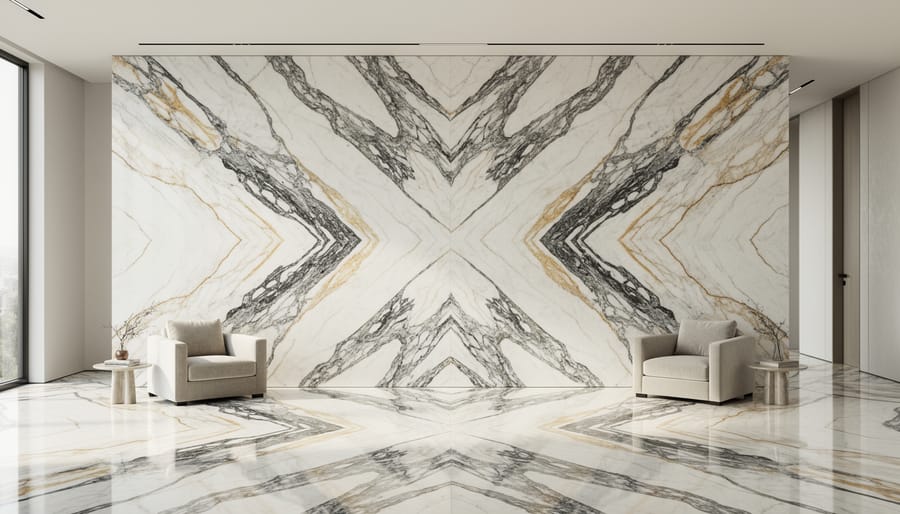
Book-matched installation elevates stone from beautiful to breathtaking. When adjacent slabs are opened like pages of a book, their mirrored veining creates symmetrical patterns that command attention. Picture a primary bathroom where book-matched Arabescato marble wraps floor to ceiling, the natural patterns flowing across surfaces in perfect harmony. This technique requires both exceptional stone selection and masterful fabrication.
The craftsmanship extends beyond cutting and polishing. Skilled artisans spend hours analyzing each slab’s unique characteristics, determining optimal placement to showcase natural drama while ensuring structural integrity. They consider how light interacts with crystalline structures throughout the day, positioning statement pieces where morning sun or evening ambient lighting will reveal their full depth.
Flooring in honed Pietra Gray, accent walls in backlit onyx, waterfall islands in Statuario Venato, these applications demonstrate how rare stone becomes the luxurious foundation upon which entire design narratives are built, adding both timeless elegance and tangible investment value.
4. Museum-Quality Art Integration and Gallery Walls
Art transforms luxury interiors from beautiful rooms into deeply personal sanctuaries. The most opulent spaces showcase original works and carefully selected pieces that speak to the homeowner’s journey, creating visual conversations between walls and furnishings that unfold gradually as you move through a space.
Museum-quality art integration begins with understanding scale and spatial relationships. A large contemporary canvas can anchor a seating arrangement, while a curated gallery wall draws the eye upward, emphasizing ceiling height and architectural proportion. The furniture you choose becomes part of this composition, a sculptural console beneath a dramatic abstract piece, or a velvet sofa positioned to invite contemplation of a treasured painting. Each element supports the others, creating layered visual interest that rewards repeated viewing.
True luxury lies not in acquiring prestigious names, but in assembling a collection that reflects your aesthetic evolution. Mix mediums and periods thoughtfully: pair modern photography with antique sketches, or place contemporary sculpture alongside classical portraits. The interplay between furniture crafted by independent designers and the art you display creates dialogue between functional and contemplative beauty.
Gallery walls deserve the same considered approach as furniture placement. Maintain consistent spacing between frames, typically two to three inches, and hang pieces at eye level as a starting point. Proper lighting, adjustable picture lights or discreet track systems, protects your investment while revealing the depth and texture that make each work come alive. The result is a home that functions as a private museum, telling your story through objects that move you.
5. Artisanal Textile Layering and Custom Upholstery
Fabric transforms a room from merely furnished to genuinely luxurious, and nothing announces opulence quite like the slow shimmer of silk velvet catching afternoon light or the subtle weight of hand-embroidered linen draping across a custom chaise. True luxury lives in these tactile moments, running your hand along a Belgian damask headboard, sinking into cushions upholstered in Loro Piana cashmere, or discovering the intricate threadwork on a throw pillow crafted by Italian artisans.
The art lies in thoughtful layering. Start with a foundation fabric for your primary upholstery pieces, then build depth through contrasting textures: perhaps a mohair sofa paired with raw silk curtains and wool bouclé accent chairs. Custom embroidery adds another dimension entirely, whether subtle monogramming on dining chair backs or elaborate botanical patterns that echo themes in your art collection. These details catch the eye of discerning guests the way statement mirrors capture and multiply light throughout a space.
Bespoke upholstery elevates this further by allowing precise tailoring to both your aesthetic vision and practical needs. Work with suppliers who understand fabric hand and drape, who source from heritage mills, and who can execute complex details like hand-tied tufting or custom piping. The result feels effortlessly elegant rather than obviously expensive, textiles that reward closer inspection and create rooms you never want to leave.
6. Curated Vintage and Heirloom Furniture Pieces
True luxury transcends the merely new. Vintage furniture and cherished heirlooms carry stories no manufactured piece can replicate, the patina of a 1940s Italian credenza, the hand-carved details of a grandmother’s armoire, the singular character of a mid-century chair that survived decades because someone valued it enough to preserve it.
These pieces ground contemporary interiors with authenticity. A sleek modern sofa gains depth when paired with an antique console. Minimalist spaces avoid sterility when anchored by furniture with history. The contrast itself becomes compelling: old craftsmanship techniques meeting current design sensibilities, creating layers of visual interest that feel collected rather than decorated.
InWood Furniture’s collaboration with independent designers worldwide opens access to rare vintage finds that most showrooms never touch. These curators maintain relationships with European estates, private collectors, and specialty dealers who surface exceptional pieces, a Nakashima-style walnut table, a restored French bergère, a Danish teak sideboard with provenance documentation. The network functions as extended eyes across continents, identifying furniture that aligns with your aesthetic vision and quality standards.
Sourcing takes patience. Authentic vintage pieces appear sporadically, and the best examples move quickly among knowledgeable buyers. Working with designers who understand your style preferences means they alert you when something exceptional surfaces, handling authentication, condition assessment, and international logistics. The result feels personal because it is: furniture chosen specifically for your space, not mass-produced for anyone’s living room.
7. Sophisticated Color Palettes with Unexpected Depth
Luxury in 2026 has moved decisively away from safe neutrals and predictable whites, embracing instead what leading designers call “emotional depth palettes”, sophisticated color stories that command attention while maintaining restraint. The most opulent interiors now feature jewel-toned walls in unexpected spaces, from emerald green dining rooms that recall historic salons to sapphire blue libraries that evoke twilight serenity. These aren’t bright, saturated hues but deeply nuanced tones with gray undertones, applied using custom paint finishes like venetian plaster or limewash that add textural dimension beyond what standard wall treatments achieve.
Sophisticated color choices enhance architectural features rather than competing with them, drawing the eye to coffered ceilings painted in warm terracotta or highlighting millwork with contrasting jewel accents. The psychology matters: rich burgundies create intimate conversation areas, while deep navy establishes gravitas in professional spaces. The trending luxury combinations for 2026 each tell a distinct story:
- Forest green with warm brass and cognac leather, grounding and sophisticated
- Charcoal with rose gold accents and blush undertones, modern glamour with softness
- Deep plum paired with aged silver and ivory, regal without formality
- Midnight blue with amber lighting and caramel wood tones, serene yet enveloping
What distinguishes luxury color work is the layering: a single room might incorporate seven to nine shades within the same tonal family, creating visual richness that reveals itself slowly. Custom color-matching between paint, upholstery, and decorative objects ensures harmony without monotony, while unexpected pops, a persimmon velvet chair against sage walls, add personality that generic palettes lack.
8. Seamless Indoor-Outdoor Luxury Living Zones
The most transformative shift in luxury design centers on dissolving the traditional barrier between inside and outside. Floor-to-ceiling glass walls that disappear into pockets, continuous flooring materials that flow from living room to terrace, and identical color palettes that extend the visual plane, these architectural choices create spaces where nature becomes part of your daily environment rather than something viewed through a window.
High-performance outdoor furniture now rivals interior pieces in both comfort and sophistication. Teak frames with all-weather cushions upholstered in solution-dyed acrylic fabrics that mimic linen, outdoor sectionals with modular configurations as flexible as any indoor set, and dining tables crafted from weather-resistant materials that show no compromise in finish quality. The luxury lies in year-round usability without the ritual of covering and storing pieces each season.
Material innovation drives this seamless integration. Porcelain tiles that replicate Carrara marble withstand freeze-thaw cycles while maintaining their elegance. Marine-grade stainless steel fixtures resist salt air corrosion. Outdoor rugs woven from synthetic fibers shed water yet feel luxuriously soft underfoot. These technical advances mean your terrace can feature the same design vocabulary as your interior, cohesive rather than clearly demarcated as separate zones.
This trend reflects more than aesthetic preference. It addresses the growing desire for wellness-oriented living, where access to fresh air and natural light becomes integrated into daily routines rather than requiring deliberate outdoor excursions.
9. Invisible Technology and Smart Home Integration
True luxury whispers rather than announces. Today’s most sophisticated interiors embrace advanced technology while maintaining an uncompromising commitment to visual elegance, the smartest homes are those where innovation becomes invisible.
Motorized panels transform entire walls, revealing hidden entertainment systems, wine collections, or home offices at the press of a button, then disappearing to restore architectural purity. Custom millwork conceals speakers within ceiling coffers and baseboards, delivering concert-quality sound without a single visible component disrupting the design narrative.
Charging stations integrate flush into marble surfaces and wooden tabletops, eliminating the cord chaos that plagues lesser spaces. Lighting systems respond to natural daylight and personal preferences through sensors embedded invisibly in architectural details, adjusting throughout the day to maintain perfect ambiance without manual intervention.
Climate control operates through concealed vents and radiant systems built into floors and walls, maintaining ideal temperature and humidity levels while preserving clean sightlines. Even security systems, cameras, sensors, and access controls, blend seamlessly into fixtures and finishes, protecting without announcing their presence.
The ultimate achievement: automation that anticipates needs so intuitively that technology itself becomes forgettable. Your home responds to your rhythms, preferences, and lifestyle without requiring interaction with screens, switches, or devices. This invisible orchestration represents the pinnacle of luxury, spaces that feel effortlessly perfect because complexity operates silently behind the scenes.
10. Personalized Sensory Elements: Scent, Sound, and Touch
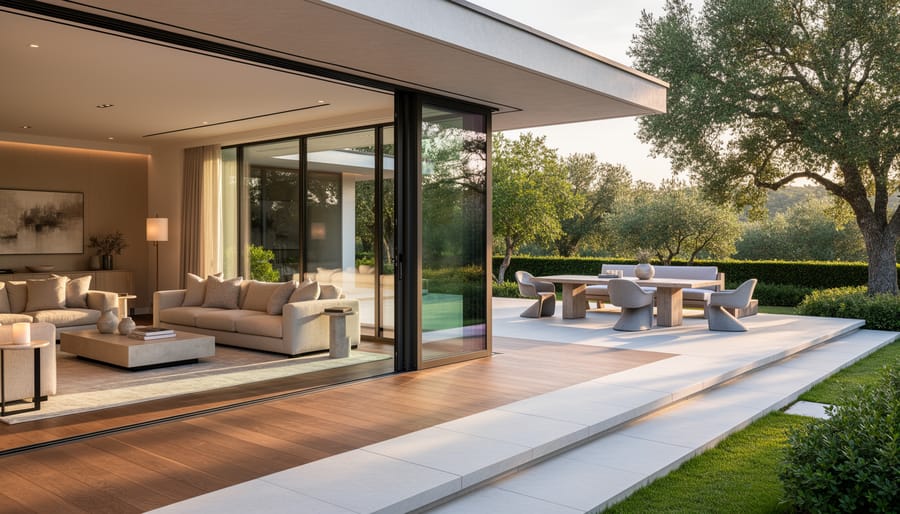
True luxury extends far beyond what meets the eye. The most opulent interiors orchestrate complete sensory experiences that leave lasting impressions the moment you enter.
Custom scent diffusion systems have become hallmarks of high-end residences, allowing homeowners to curate signature fragrances that define each space. A soft bergamot and white tea blend might greet guests in the foyer, while a warmer amber scent creates intimacy in the library. These aren’t simply air fresheners, they’re carefully composed olfactory identities that become associated with your home’s character.
Acoustic design represents another dimension of invisible luxury. Sound-absorbing panels hidden within millwork, strategically placed rugs that dampen echoes, and furniture arrangements that optimize conversation acoustics all contribute to spaces that feel instinctively comfortable. The quietest rooms often feel the most expensive because ambient noise has been thoughtfully controlled.
Tactile richness completes the experience. Running your hand across a perfectly finished walnut tabletop, sinking into buttery leather seating, or feeling cool marble underfoot, these physical interactions create emotional connections to your space. When curating luxury pieces through global seamless shopping consider how each material will engage touch as well as sight.
The most memorable interiors understand that we experience spaces with our entire being, not just our eyes.
Bringing Luxurious Design Elements into Your Space
Transforming your space with these luxurious elements requires more than selecting beautiful pieces, it demands a cohesive vision that connects each choice to your personal story. Start by identifying which elements resonate most with your lifestyle and aesthetic preferences, then build from there rather than attempting to incorporate everything at once.
InWood Furniture’s customer service team functions as your design partner throughout this journey, connecting you directly with independent designers across Ireland and Europe who specialize in the elements that speak to you. Whether you’re drawn to artisanal textiles, bespoke millwork, or statement lighting, these relationships provide access to exclusive pieces and custom solutions unavailable through conventional retail channels. This personalized approach means your selections work together as chapters in a larger narrative rather than disconnected acquisitions.
Consider beginning with anchor pieces that establish your space’s character: perhaps a statement lighting installation that sets the mood, or a vintage furniture find that becomes a conversation centerpiece. Layer additional elements gradually, allowing each new addition to complement and enhance what already exists. The customer service team can guide these decisions, helping you balance investment across categories and timing purchases to align with your project timeline and budget realities.
Remote collaboration works seamlessly through detailed photography, video consultations, and material samples shipped to your location. International shipping logistics, customs coordination, and white-glove delivery services are managed end-to-end, removing barriers that often complicate sourcing luxury pieces from European designers.
Common Questions About Luxurious Interior Design
How much should I realistically invest in luxury furniture pieces?
True luxury is about quality and longevity rather than simply high price tags. Start with anchor pieces that will serve as foundations for decades, a handcrafted dining table or heirloom-quality sofa, and build your collection gradually. InWood Furniture’s customer service team can help you prioritize investments based on how you actually live in your space.
Can I successfully mix different design styles in a luxury interior?
Absolutely. The most sophisticated spaces layer different periods and styles through a unifying thread, whether that’s a consistent material palette, complementary color story, or shared design philosophy. Combining contemporary pieces with vintage finds or traditional craftsmanship with modern forms creates depth and personal character that purely matched sets never achieve.
How does working with international designers remotely actually work?
InWood Furniture bridges the gap between you and renowned designers worldwide through detailed consultations, high-resolution imagery, material samples shipped to your door, and dedicated support throughout the process. Our team acts as your advocate, ensuring every specification aligns with your vision before pieces are crafted and coordinating delivery logistics seamlessly.
What should I know about maintaining exclusive furniture pieces?
Luxury furniture requires thoughtful care rather than intensive maintenance. Most high-end pieces benefit from simple routines, regular dusting, occasional conditioning for natural materials, and protecting surfaces from direct sunlight or extreme humidity. We provide specific care guidelines for each piece and can connect you with restoration specialists if needed years down the line.
These practical considerations matter because luxurious design is ultimately about creating spaces you’ll love living in for years to come. The investment extends beyond initial purchase to the ongoing relationship between you and the pieces that shape your daily environment. Understanding shipping timelines for custom work, knowing how different materials age and develop patina, and having realistic expectations about lead times for bespoke items all contribute to a satisfying design journey rather than frustrating surprises.
True luxury in interior design isn’t measured by price tags alone, it’s found in the seamless fusion of exceptional craftsmanship, personal narrative, and spaces that genuinely enhance daily life. Each element we’ve explored, from bespoke millwork to multi-sensory environments, contributes to interiors that feel extraordinary yet intimately yours.
What sets InWood Furniture apart in this landscape is our global network of independent designers and our commitment to personalized guidance. We don’t just sell furniture; we curate pathways to pieces that tell your story, connecting you with artisans and creators whose work resonates with your vision. Whether you’re drawn to a single statement lighting fixture or embarking on a complete transformation, our team provides the expertise and access that turns aspiration into reality.
Luxury, at its heart, is deeply personal. It’s the silk velvet sofa where you curl up with morning coffee, the sculptural pendant that frames dinner conversations, the vintage credenza carrying memories forward. These aren’t just design choices, they’re investments in the environments where life unfolds.
Your space should reflect who you are, not who a catalog suggests you should be. That’s the luxury worth pursuing.